

Tribe continues to coordinate cleanup efforts near Animas River

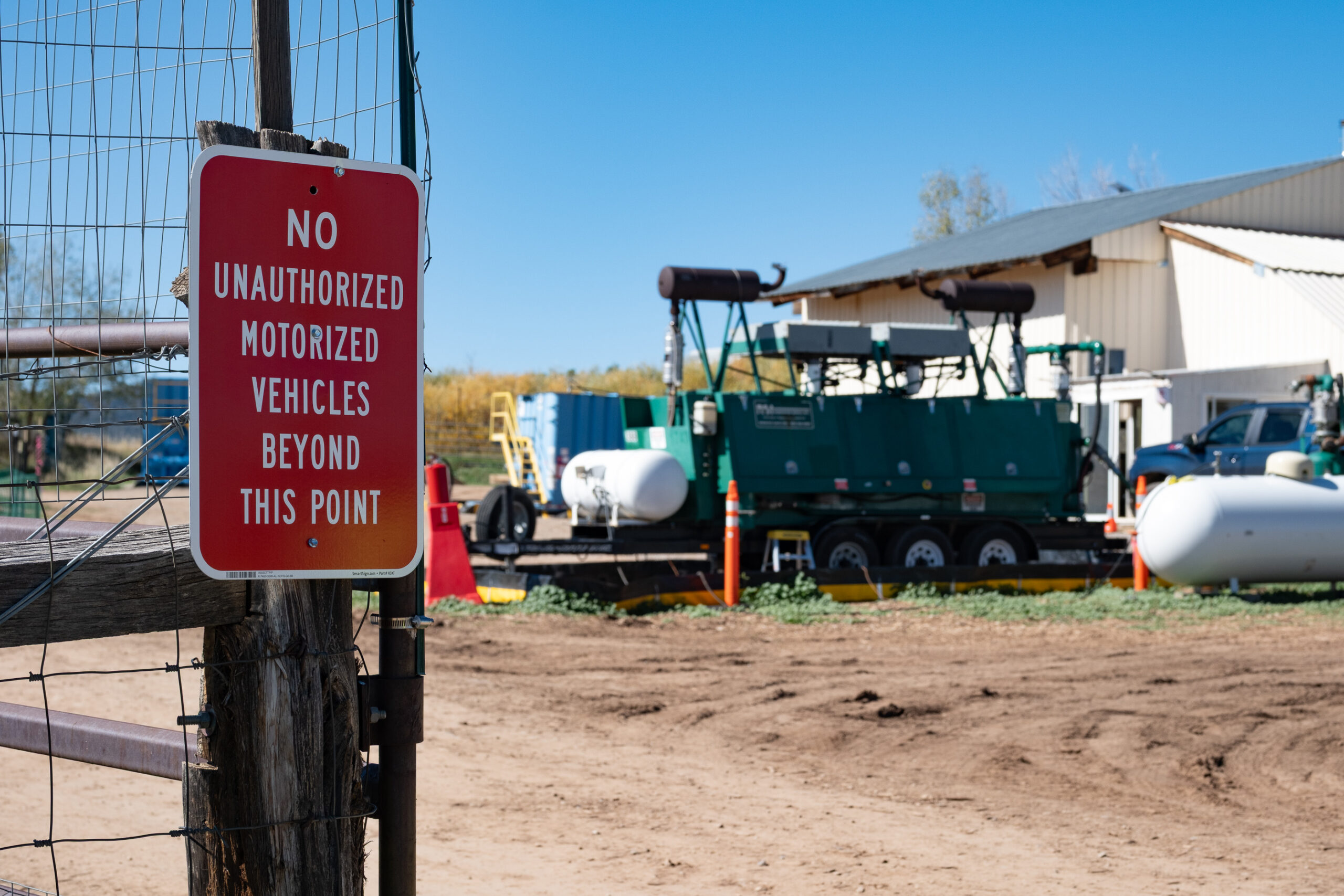

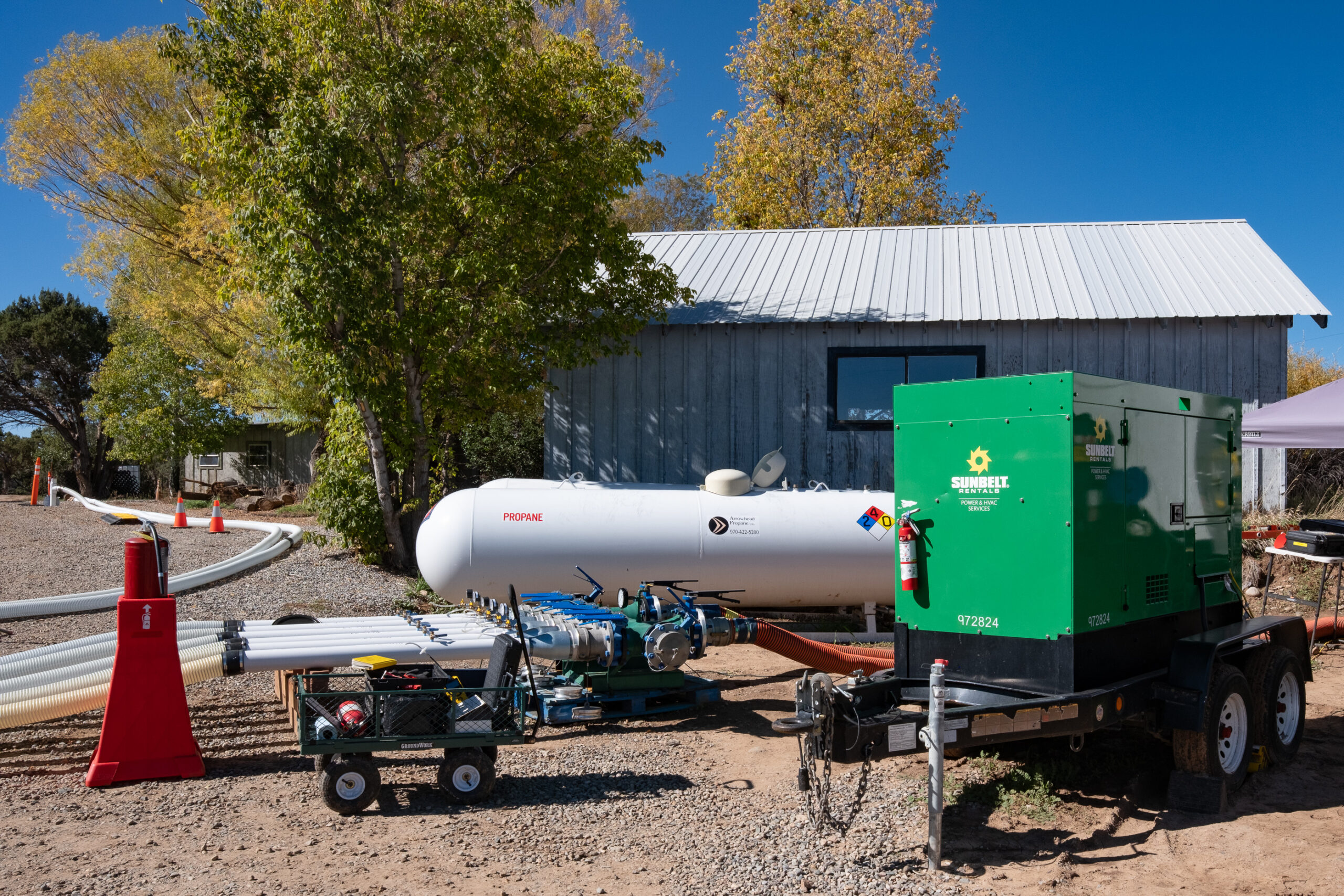





The Southern Ute Indian Tribe’s Environmental Programs Department (EPD) is at the center of the Tribe’s response to the gasoline pipeline spill that took place near Durango late last year. EPD staff immediately recognized the threats to tribal lands, waters, and resources and although the release occurred on private lands, worked with Tribal Council to make sure the Tribe’s interests and members remain protected.
“EPD quickly brought together technical experts from across the Permanent Fund, Growth Fund, and outside consulting to form the coalition needed to respond to such a large scale and dynamic event,” said Mitchell Dorsk, Water Quality & Remediation Division Head with the Southern Ute Environmental Programs Department.
While the Colorado Department of Public Health and Environment (CDPHE) is the lead regulatory authority for the spill, EPD remains at the center of coordination and continues to push for transparent and timely remediation actions. The team, led by Environmental Programs Director, Mark Hutson works closely with the Growth Fund Department of Energy (DOE) and outside consultants to review reports, respond to technical requests, and track ongoing cleanup activities.
“Concerns about the size of the spill have been raised by EPD and DOE since the initial report,” Dorsk said. “The soil and groundwater concentrations observed at the site did not add up to the first two release estimates, and spatial impacts of the spill continued to expand during the investigation. After the Tribe’s spill coalition pressed Enterprise to justify their original estimates, the company revised its estimate from 23,000 gallons to as much as 97,000 gallons of refined gasoline.”
“This major increase significantly raises the potential risk to tribal receptors and the overall cleanup timeframe,” he said. “It also requires more remediation activity to clean up more product. Tribal Council, tribal representatives, and state regulators remain united in ensuring the Tribe’s land and people are protected for generations to come.”
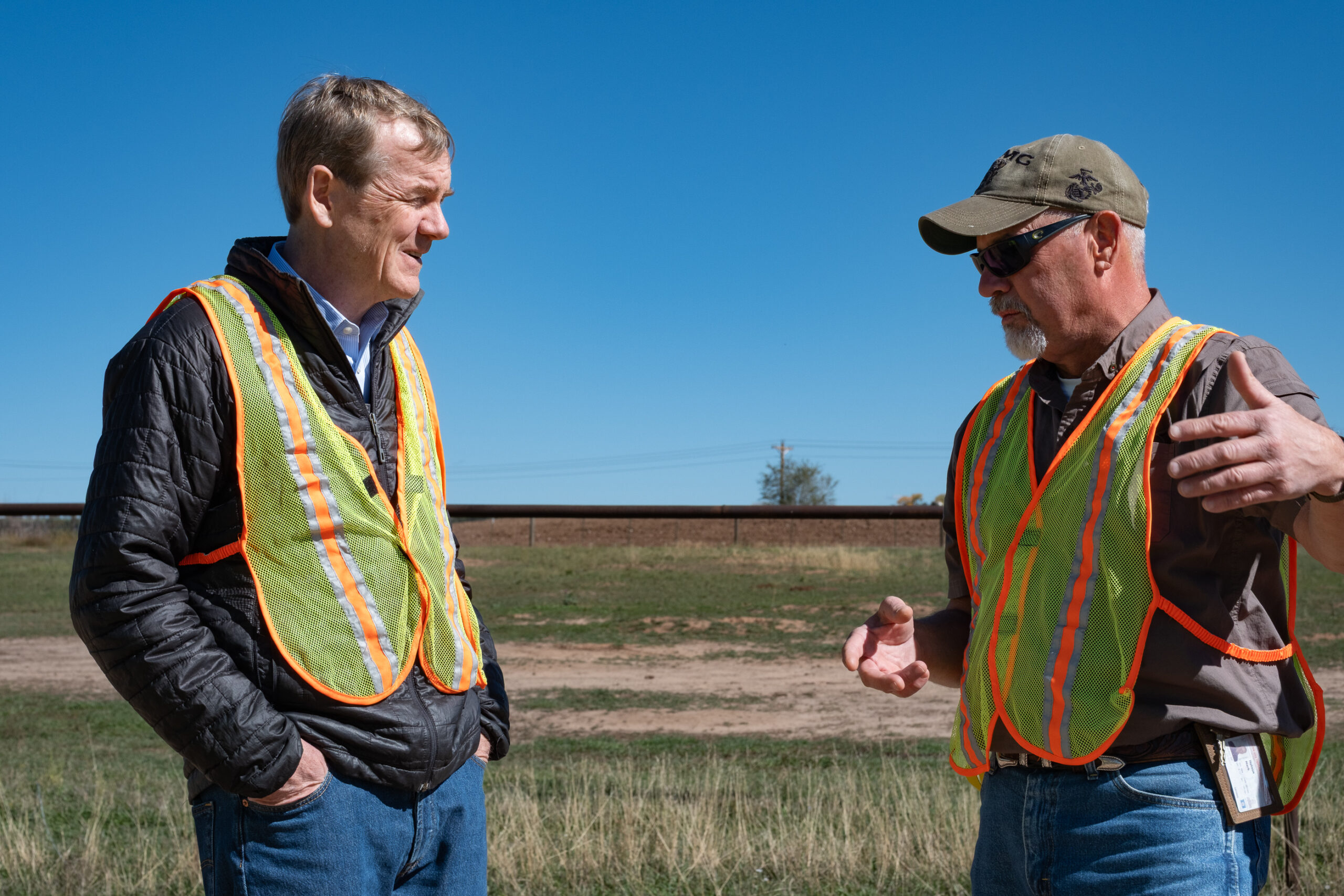
“Senator Michael Bennett’s recent visit in October showed increased interest from the federal government and the strong ties between tribal leadership and our state senators,” Dorsk said. “He expressed his willingness to escalate things if needed on our behalf and was interested to see the largest gasoline pipeline spill in Colorado history. He is the most prominent government official to visit the site yet.”
According to EPD, the situation has improved following the Tribe’s efforts to push both Enterprise and CDPHE to act; significantly as a result of EPD and Tribal Council’s direct involvement following the May 1 meeting with Enterprise and CDPHE. Potential threats remain for downstream water users and the Animas River floodplain, but these risks are being carefully assessed and addressed by EPD and CDPHE to reduce their potential over time. EPD also provides regular briefings to Tribal Council to ensure that leadership has the information needed to guide the response and protect the Tribe’s lands, waters, and people.
As Environmental Programs Director, Mark Hutson brings over 20 years of project management experience in environmental remediation, both with the Southern Ute Indian Tribe and his previous work with the Texas Commission on Environmental Quality on similar scale projects. Hutson contributes institutional and industry knowledge along with hands-on expertise in environmental sampling and regulatory compliance. His decades of experience have strengthened the Tribe’s ability to hold the responsible party accountable in areas requiring close scrutiny of data quality, analysis, and adequate documentation.
Mitchell Dorsk is an expert in hydrogeology and the fate and transport of chemicals in the environment. He serves as the technical lead for the Tribe’s spill response and has led numerous site investigations over the past decade, including work on the Bonita Peaks Mining District (Gold King Mine Spill), oil shale mine restoration, uranium-related risk assessment, and aquifer protection planning. With his extensive background in regional geology, surface water, and groundwater systems, Dorsk brings sharp technical insight and critical responses to the spill’s site characterization and remedial investigations.
Working together, they form a strong and balanced team that allows the Tribe to independently evaluate the work of industry experts leading the clean-up on behalf of the responsible party, while empowering tribal leadership to make informed science-based decisions to prioritize the health of the tribal membership and the protection of watersheds while addressing this spill.
“There was a bit of lag in the cleanup response early on, but that changed over the summer,” Dorsk said. “The responsible party has since committed many resources to the response and brought in a large team of specialists to address the evolving situation.”
The gasoline plume affecting groundwater in the area is a complex and constantly changing system and will continue to evolve for decades. “That does not mean the Tribe will ease oversight or our involvement, but it does mean progress is being made and the situation is moving in the right direction,” he said.
“In a large spill such as this, it is impossible to say there is no risk, as conditions could change, but there does not appear to be an imminent threat to tribal members or the Animas River at this time,” Dorsk said. “If that changes, EPD will work with Tribal Council to take necessary actions to ensure the safety of the membership and the lands we call home. The Southern Ute Indian Tribe remains committed to the ongoing protection of its people, waters, and lands.”