




Over 24 Tribes share agriculture concerns
Three weeks of continuous rain is a true blessing from the creator. The earth is taking a much-needed drink, and no one is mad about that. Ranchers and Farmers spend much of their time looking to the sky for favorable conditions.
In early spring, we hope for rain and working weather. In the summer, we vary between quenching storms and windows of clear sunny skies to harvest. During these times of continuous showers, a welcomed gathering has taken place.
The Southern Ute Tribe hosted the Intertribal Agriculture Council Southwest Summit this year. Ordinarily, this event takes place in Albuquerque, NM. The point of the conference is to talk about natural resources and agriculture issues that are affecting the Tribes of Colorado and New Mexico. It is always good to see our relative Tribes of the Pueblo, Apache, Ute, and Navajo. In this particular conference, we also welcomed officials and staff from Hualapai, Quechan, Rosebud Sioux, Mojave, and Paiute.
Look to your Neighbor
One of the primary goals of I.A.C. is to advocate for Native Tribes on a national level. One Tribe has an issue and does what it can to communicate concerns to the B.I.A., B.L.M., B.O.R., U.S.D.A., and other government agencies.
Meetings are held with county, state, and national government officials. Sometimes issues are resolved and sometime the voice just isn’t strong enough. This is where I.A.C. steps in. By combining the concerns of multiple tribes and using data, testimony, and documentation, I.A.C. is able to speak at a higher level to high-ranking offices and officials. They aggregate topics and present solutions in communications from and to Tribes.
They visit reservations to help inspire the continuation and preservation of ag. They host field days for youth, provide “fly-in” visits to reservations to tour meat processing and other ventures, and they host conferences within the B.I.A. regions to help align issues that Tribes can collaborate and act upon.
SW Conference 2026
Day one of the conference started with general session to have breakfast, talk about what I.A.C. does and how it can help Tribes. U.S.D.A. talked about the many programs that they have available for farmers and ranchers. Farm Service Agency (FSA), Natural Resource Conservation Service (NRCS), and Rural Development are branches of U.S.D.A. Each of them had presentations that were shown on the main stage, and a lot of information was shared among the participants.
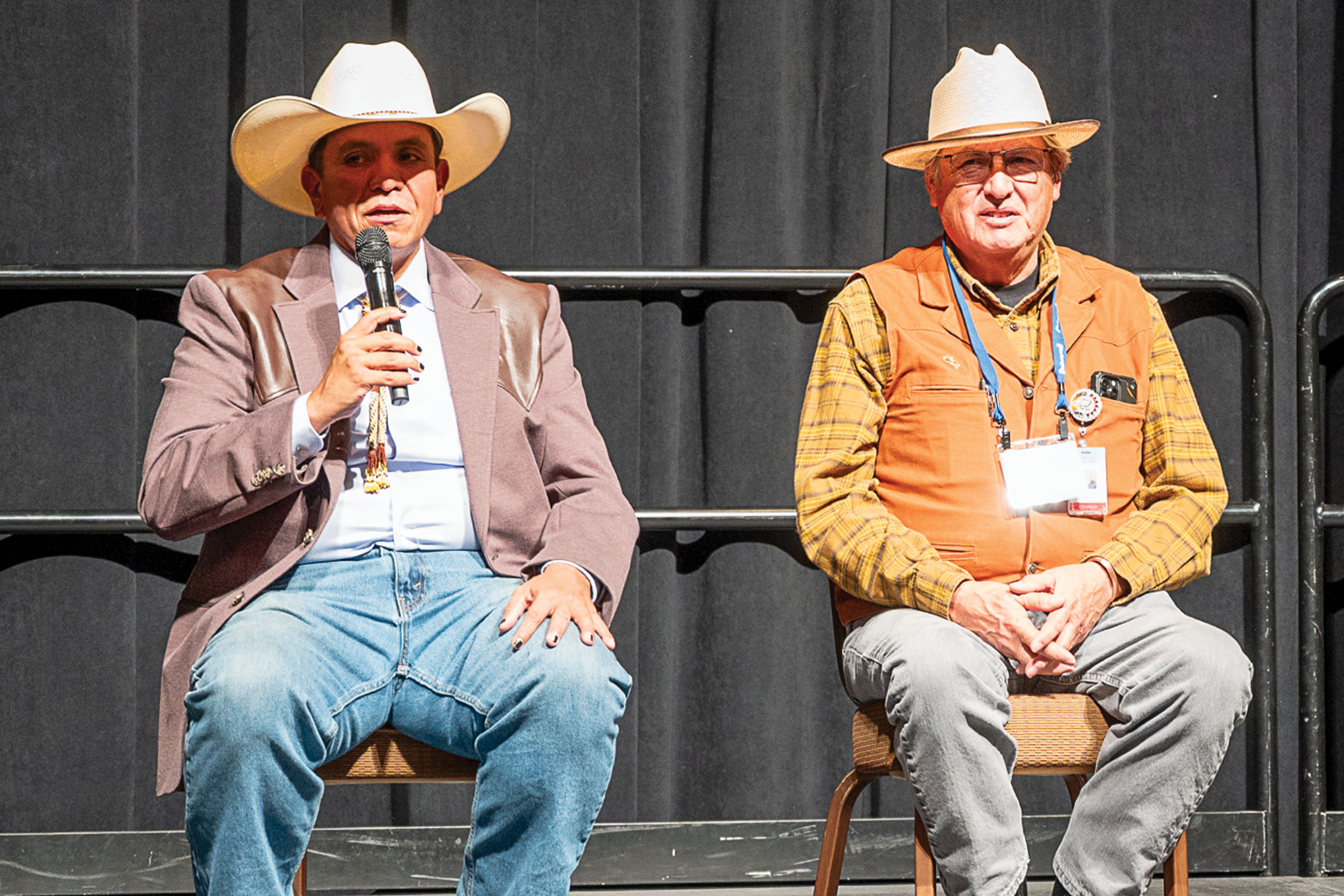
Southern Ute Tribal Members Mike Olguin and Marvin Pinnecoose shared Southern Ute’s success story of the Alternate Funding Arrangement and award that was received through the U.S.D.A. The point was to spark curiosity so that other tribes could look to utilize U.S.D.A. on a Tribal level and think beyond the benefits to the individual.
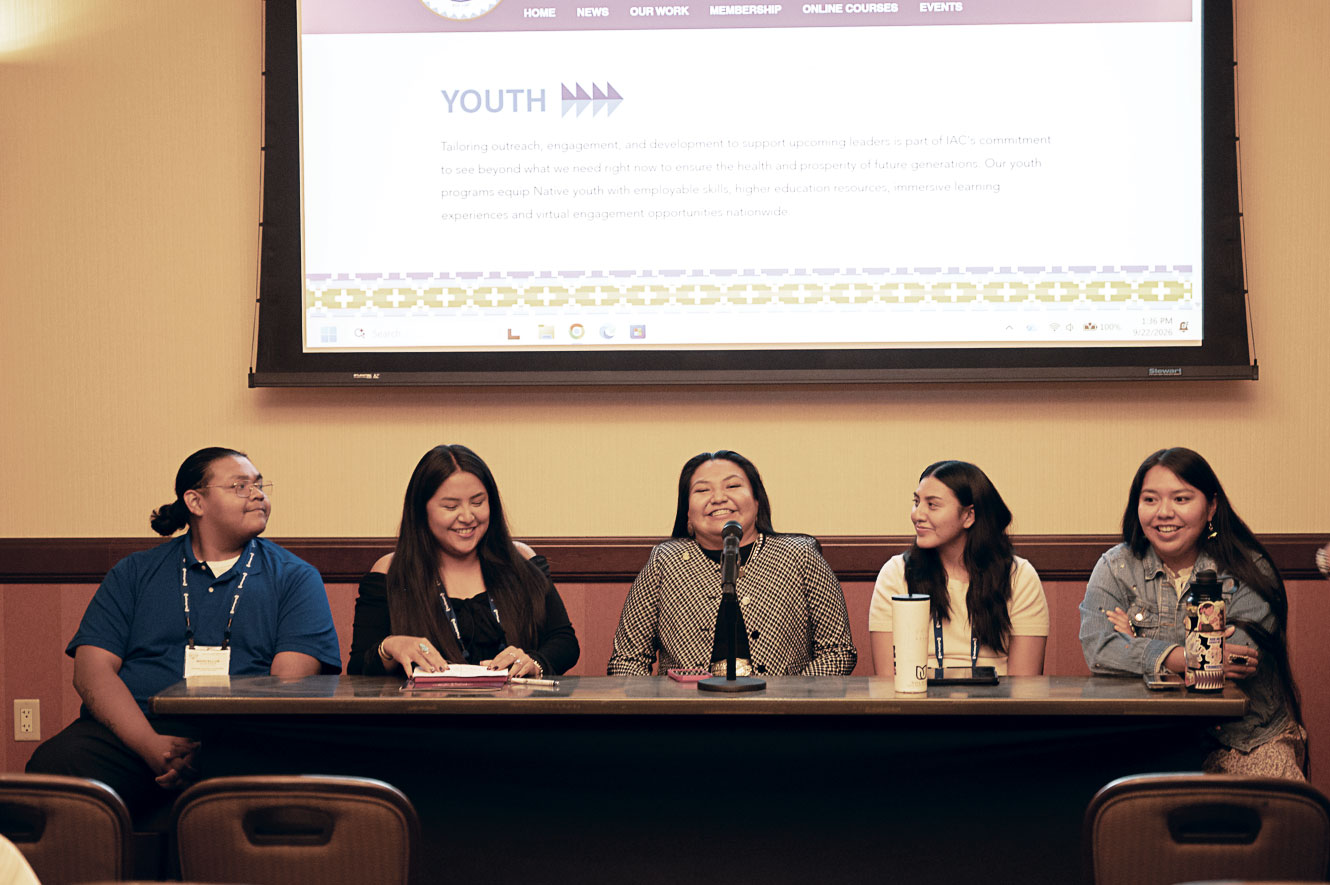
Farm to School and youth activities rounded out the morning with discussion about how to get the youth back into ag, natural resources, and animal stewardship. Examples of utilizing programs that use Native raised crops and meat toward schools helped show the importance of contributing efforts for Native Tribes to feed their own.
After a hearty lunch, the afternoon featured break-out sessions into smaller rooms to allow participants of the conference to “pick their path” on what information they would want to hear. These breakouts featured a youth roundtable discussion, meat processing establishment and learning opportunities, funding and business resources, B.I.A. trust responsibilities, and an entrepreneurship highlight from Skoden Farms.
Each breakout session was beneficial with an abundance of useful information sewed into farmers and ranchers’ experiences. Mac Sussex and his wife Celsie, owners of Bear Mountain Beef, hosted one where they discussed how they built their meat processing business from the ground up.
Their business started in 2020 with six full-time employees, they moved to a remote location, built lagoons, dug wells, and installed three faze power. They now have a 60×80 hybrid building that is fit for the weather conditions they face in Wyoming, have 15 full-time employees, and butchered 1,111 beefs last year alone.
They talked to attendees about the steps that taken to build their business and noted that it did take more than they initially expected but gave honest insight into the obstacles they have faced and overcome, they also talked about the goals they have set for the future.
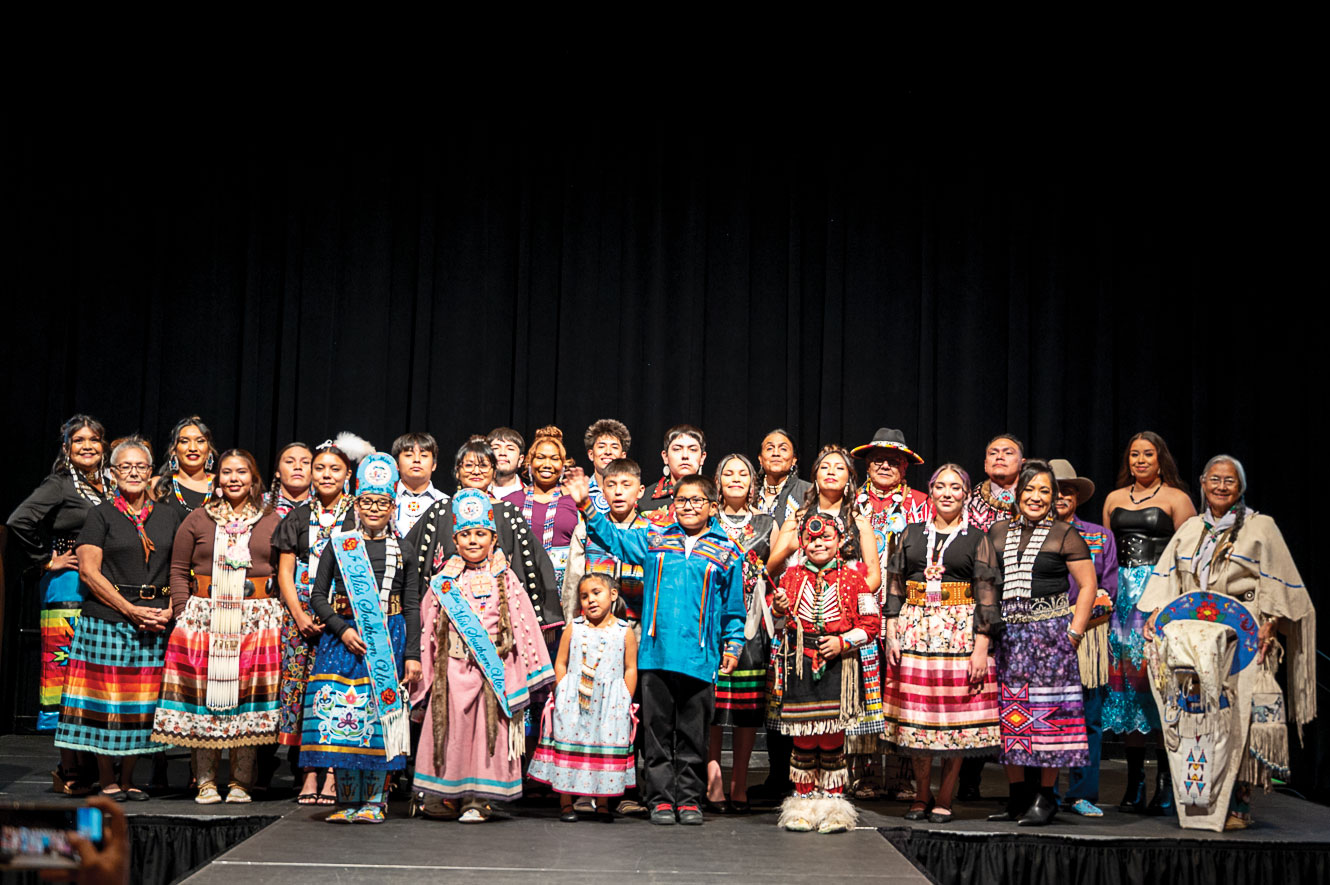
The evening ended with a cultural meal presented by the executive chef of the Sky Ute Casino and Resort. Southern Ute Tribal members also provided a very exciting fashion show to wrap up the night. The feedback from day one was very positive.
Day two continued with important topics and participation. A tour to the bison pasture was scheduled but had to be cancelled due to rain. The conference continued into breakout sessions containing “Women in Ag”, wellness practice and resilience, food preservation and value-added products, genetics management & market readiness, and a roundtable discussion about invasive species.
During the “Tribal Food Preservation and Value-Added Products” session on Wednesday Sept. 23, led by Janice Lucero of Cotton Blossom Gardens, Lucero told her story as an indigenous woman who had been working a prestigious career when life knocked her down.
She went back to her grandparents’ homestead where she was filled with sorrow to see that it was dilapidating. After grieving what was lost, she was faced with an awakening “I am a part of this land.” She then worked to bring life back to the land that had fallen dormant. She built a new home and worked the soil bringing it back to health. She and her family now own and operate Cotton Blossom Gardens; they make freeze dried salsa out of produce grown on their farm and other farms local to them.
She has stuck to traditional barter and trades to keep the farm stocked with the goods needed to be successful. Lucero talked about programs she found through her local extension office that helped support the farm. She also spoke about problems that need to be addressed as a farmer on tribal land, such as proper access to water testing.
A trade show was provided, and we saw many vendors selling products, farm raised foods, native clothing, and many information booths. Over the course of both days, a lot of business cards were exchanged, collaborative discussions were held, and networking was evident all over the room. Tribes were reassured that they were not alone in the fight to revitalize agriculture.
Many issues of concern were captured and will be presented at the national I.A.C. conference in December. Tribes will be able to gather once again by region and finalize their topics before asking I.A.C. to advocate on their behalf. We, here in the Southwest region, look forward to that discussion and the continued partnership with the Intertribal Agriculture Council.