
Meat processing fly–in
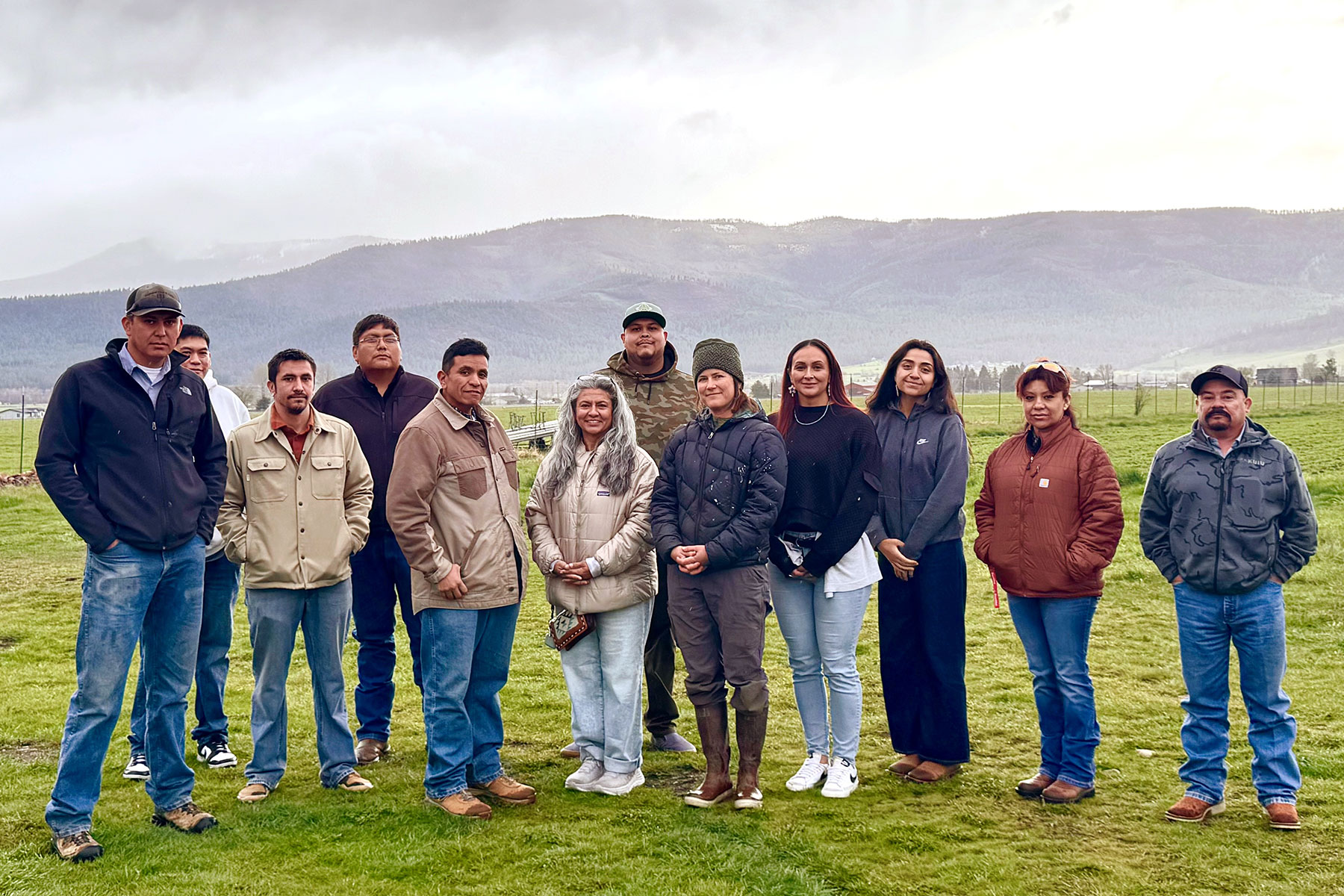
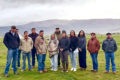
InterTribal Agriculture Council is an advocacy and technical training organization for Native American Tribes. They utilize workshops, field visits, regional conferences, and a national conference to promote natural resources and agriculture development. They also have fly-in facility tours on reservations or for operations that could help benefit tribes. The Southern Ute Indian Tribe attended one of these fly-ins on April 14 and 15, in Missoula, Mont. The event was classified as a Meat Poultry Processing Technical Assistance opportunity. Our tribe took tribal members and staff from both the Agriculture Division and Cultural Preservation. The intent was to capture a spectrum of perspective from our tribal membership on whether this might be something that the Tribe might want to pursue.
The team spent the first half of the first day in general session listening and learning from experts in the industry. Chris Roper from Flower Hill Institute talked about his previous successes with the Quapaw Tribe and how he provides consultation for tribes who are interested in looking into meat processing facilities. Karen Hunter from the USDA talked about the federal inspection process and how it applies to tribes who would want to have the ability to sell to the public. The next presenter spoke about the state inspection process and the difference for those who want to sell across state lines versus those who would sell locally. In our morning session, we also learned about the layout of the facility and how the design phase must take into consideration whether wild game would be processed. In order to do so, there would have to be a separation in the building for a second processing and handling area or there would need to be a sterilization window to allow the equipment and the building to reset to accommodate the switch to and from domestic animals to wild game.
After lunch, we had breakout sessions where participants could pick which class they could attend to learn about specific topics. There were three choices in each 1-hour block. An example of this is the first break out block:
- Block 1A: The Power of Partnership & Collaborating, Building Bridges for Business.
- Growth through Producer-Owned Meat Processing.
- Block 1B: Marketing 101, Digital Strategies to Build Meaningful Consumer Connections.
- Block 1C: Infrastructure & Logistics, Completing the Supply Chain.
There were three breakout blocks, and the team broke up so that we could have someone listen in on each of the topics. In walking the breakouts, I was very proud to see our tribal members engaged in the conversation, asking multiple questions, and asking for clarification on complex topics. I provided a handout to the team about the progress that was made up to that point in previous site visits and consultations to discuss putting a meat processing facility on the Southern Ute Reservation.
We recapped some of the information that was presented and talked about some of the networking that took place. We believe that we may have found an organization that could help with the feasibility study, which would be the next step in this journey. The feasibility study tells us how many active ranchers and how many head of cattle could be expected to run through the facility. It would tell us whether there is an appetite for wild game (spoiler alert: based upon our growing elk and deer hunting activity within the membership, this should probably be a given) and what type of labor hours can be tied to each.
The study also would highlight if the building could exist as a revenue generating business for the Tribe by offering services to the public in conjunction with tribal member custom cutting. It would also be the first step in our talks about branded meat products and custom cuts to restaurants and retail outlets. There is quite a bit of potential if the study tells us what I suspect.
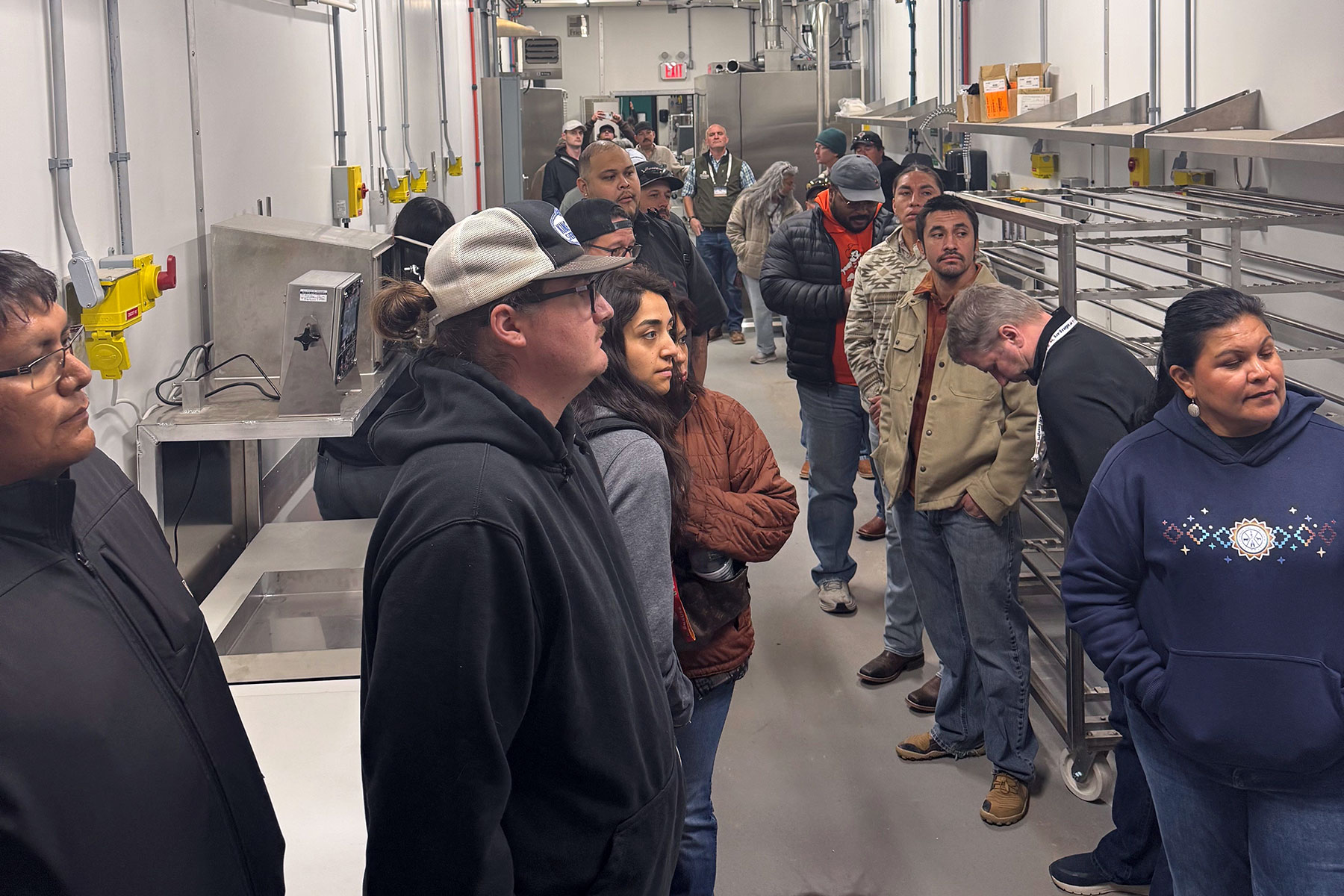
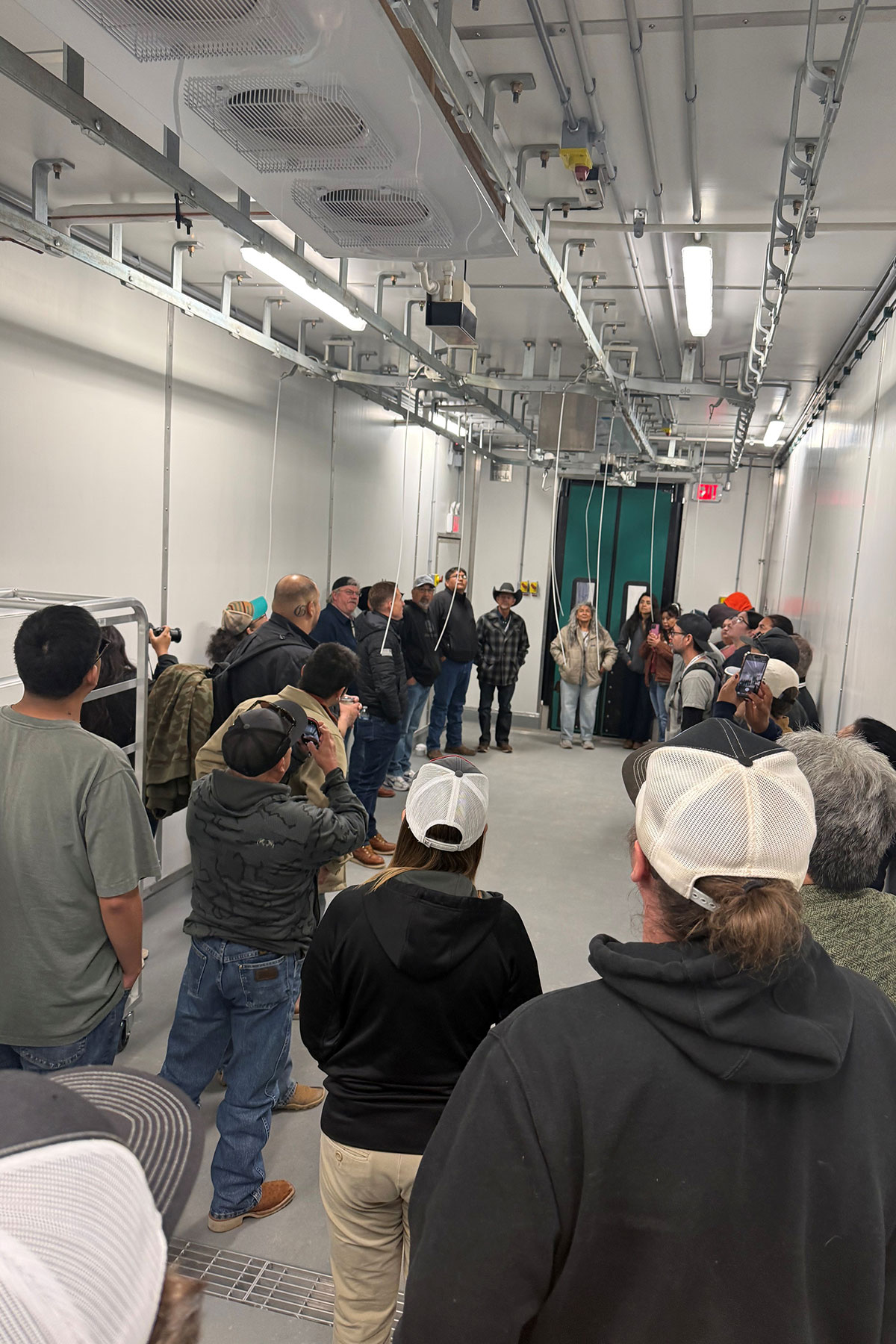
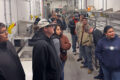
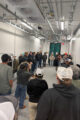
Day two of the trip found us on tour buses visiting two facilities with the Flathead Reservation and within the Confederated Salish and Koottenai Tribes homeland. We looked at CSKT-SQK Meat Processing which is a tribal facility and utilizes a modular (don’t say storage units, they don’t like that) system to anticipate expansion and ease in the building process.
The company that developed this for CSKT is a company called Friesla. The concept is very innovative and allows for multiple configurations. We also toured School House Meats, which is a high school production facility located on a school farm complete with the animals right there on premises. Their slogan is to see the animal through “from conception to consumption.” 4H and FFA also seem to have a strong presence at this all-in-one high school farm operation. It was very impressive also.
The group compiled their own notes and perspectives. I only asked them to keep an open mind with what they saw and heard. A work session is being scheduled with Tribal Council to review the trip and for the tribal members to talk about their impressions. The proposed next step might be to consider putting a Request for Proposal out for the feasibility study to answer many of the questions from the group and the tribal membership as a whole. My philosophy with new ideas is to always walk forward until there is enough of a reason not to. I find much interest in this endeavor to help support our agricultural efforts and to help emphasize the need to utilize our tribal land and water as a defensive means to protect them. I look forward to the insight of those that participated and thank them for their time.