

Winter woodsmoke can lead to elevated levels of Particulate Matter pollution



With the onset of colder weather, brisk mornings and chilly evenings can hold the fragrant scent of woodsmoke coming from neighborhood homes.
“This morning as I walked my four-legged friend and she tiptoed around the crisp white patches of frost, the cold clear blue sky held the fragrant earthy smell of woodsmoke,” said James Temte, Air Quality Scientist for the Tribe’s Air Quality Division. “Suddenly I was transported back to the living room of my parents’ house, stomping the snow off my shoes and opening the front door to a toasty living room. The warm welcome glow of the woodstove rested in the corner.”
As we enter this cozy season, the Air Quality Division would like to share a few tips to keep our families and friends healthy when heating a home by woodstove or fireplace. As woodstove users, we are familiar with the importance, nostalgia, and coziness of woodfire heating. As air quality scientists, we also know the potential health risks associated with woodsmoke. We are going to share a few tips to help any wood burning homes this winter stay warm, while also minimizing poor air quality exposure.
The health risks of woodsmoke
Patty Peña, Air Quality Specialist for the Tribe’s Air Quality Division, reminisces on the comfort and quality time spent around the woodfire stove, “My first house in college had a woodfire stove. It became a place where my roommates and close friends would gather to debrief the day and exchange stories. The orange glow and warm embrace of the fire created an inviting atmosphere to share and create special memories. I cherish these memories and am reminded of them every winter.”
Similar to the forest fire smoke we experienced this summer, smoke coming from our woodstoves and fireplaces can contribute to indoor and outdoor air pollution. Burning wood in stoves and fireplaces can release a mixture of pollutants. The two pollutants most likely to impact breathing are fine and course particulate matter (PM2.5 and PM 10). These microscopic particles, just a fraction of the diameter of a human hair, are small enough to bypass the body’s natural defenses, allowing them to travel deep into the lungs and enter the bloodstream. At high concentrations, these particles can pose health threats, especially to vulnerable populations including children, our elders, and individuals with breathing problems like asthma, bronchitis, and Chronic Obstructive Pulmonary Disease (COPD). For more information on the health impacts of particulate matter, visit the Air Quality Divisions Resource Webpage. As part of the Environmental Programs Department’s public health efforts, the Tribe’s Air Quality Division monitors outdoor air for particulate matter pollution.
Particulate Matter Monitoring
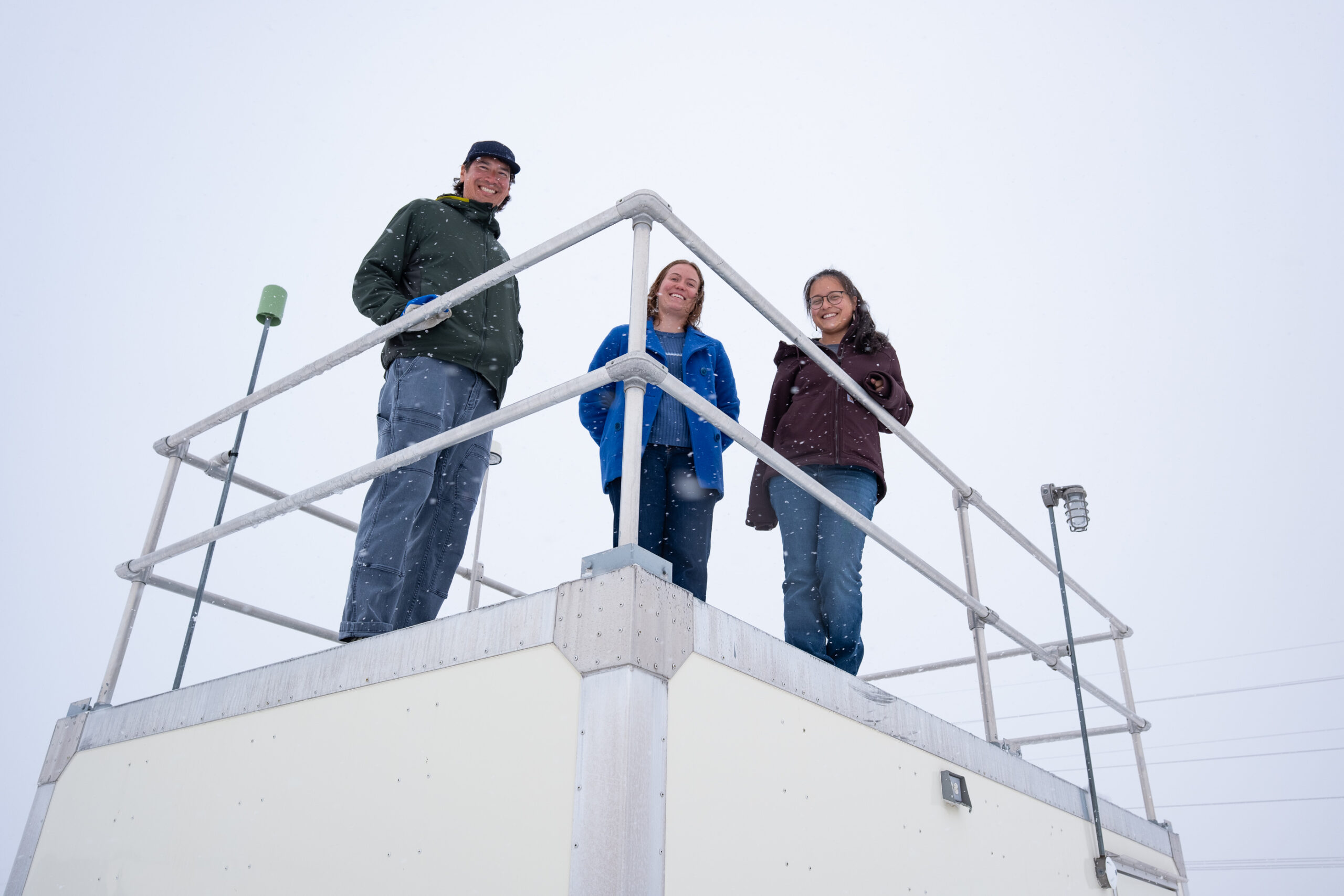
Peña operates the Tribe’s air quality monitoring stations. She explains that Particulate Matter (PM) and Visibility monitors are used to keep the community informed on community health risk outside of homes. The AQD operates three air monitoring stations throughout the reservation, near Ignacio, Bondad, and Lake Capote. The Ignacio and Bondad monitoring stations, Ute 1 and Ute 3, measure PM10 and PM2.5. The stations are equipped with real-time PM monitors. The Bondad monitoring station is equipped with a Nephelometer which measures visibility (often affected by PM concentrations) above the residential Animas River valley.
The AQD also recently installed PurpleAir sensors at the Ignacio Community Library and the Lake Capote campground to increase the scope of PM measurements. PurpleAir sensors are low-cost PM sensors that upload PM data in real-time to the PurpleAir map linked on the AQD’s ambient Monitoring Webpage.
Show Me the Data
The air quality monitoring sites have been picking up elevated levels of Particulate Matter pollution in the early mornings.

The PM 10 Concentrations Graph shows how PM10 concentrations (measured by the AQD ambient air monitoring stations) can spike in the mornings on cold days. The blue shaded regions highlight the morning hours between 5 a.m. and 10 a.m. During these hours we see a spike in PM concentrations. These spikes are likely associated with morning woodstove fires which release PM to the ambient air through chimneys. The figure shows higher concentrations at Ute 3 (Bondad) compared to Ute 1 (Ignacio). We believe the more pronounced morning spikes at the Bondad site are caused by temperature inversions. An inversion, common in winter, occurs when cold air becomes trapped in valleys beneath a “cap” of warmer air. We suspect that because Ute 3 is located along the rim of the deeper Animas River Valley, it may experience stronger inversions that trap pollutants below, resulting in higher observed PM concentrations. These conditions typically form under cold, stable morning weather and often break by late morning, allowing pollutants to disperse, lowering pollutant concentrations at the site.
Simple solutions: Best practices for cleaner burning
To keep the outdoor and indoor air cleaner and your home warmer this season, using simple, smart burning methods makes a big difference. The most important step is choosing the right fuel. Try to only burn dry, seasoned wood. Wet, “green” wood makes larger amounts of smoke and less heat. Store your wood smartly by stacking it under a cover, off the ground, with space for air to move, so it dries correctly. When you light a fire, start hot and bright; a strong flame burns up pollutants, while a weak, smoldering fire produces more smoke. Avoid closing the air vents completely overnight to keep the fire from idling. Finally, remember to never burn garbage, plastics, cardboard, or painted or pressure-treated wood, as these items release dangerous, toxic chemicals into the air.
Community Resources and Next Steps
Angelina Miller Air Quality Scientist for the Tribe’s Air Quality Division reflects, “I have very fond memories starting a roaring fire in the fireplace with my family, followed by lighthearted bickering over whose turn it was to be closest to its warmth. When I was little, my role in this nightly tradition was making paper balls and gathering splintered wood and twigs for kindling, this meticulous (and sometimes failed) contribution to starting the fire helped me gain respect for the importance of using the right materials.”
One additional way to ensure the air inside your home is safe is by using a portable air purifier. Air purifiers can be used to clean the air in one room of a house and can be moved to locations to help protect the most sensitive individuals in the house. If you are considering having an air purifier in your house, there are two key aspects that may vary with different priced units, 1) the type of filter and 2) the fan power and airflow. There are many types of air purifiers ranging in cost and efficiency, typically costing hundreds of dollars.
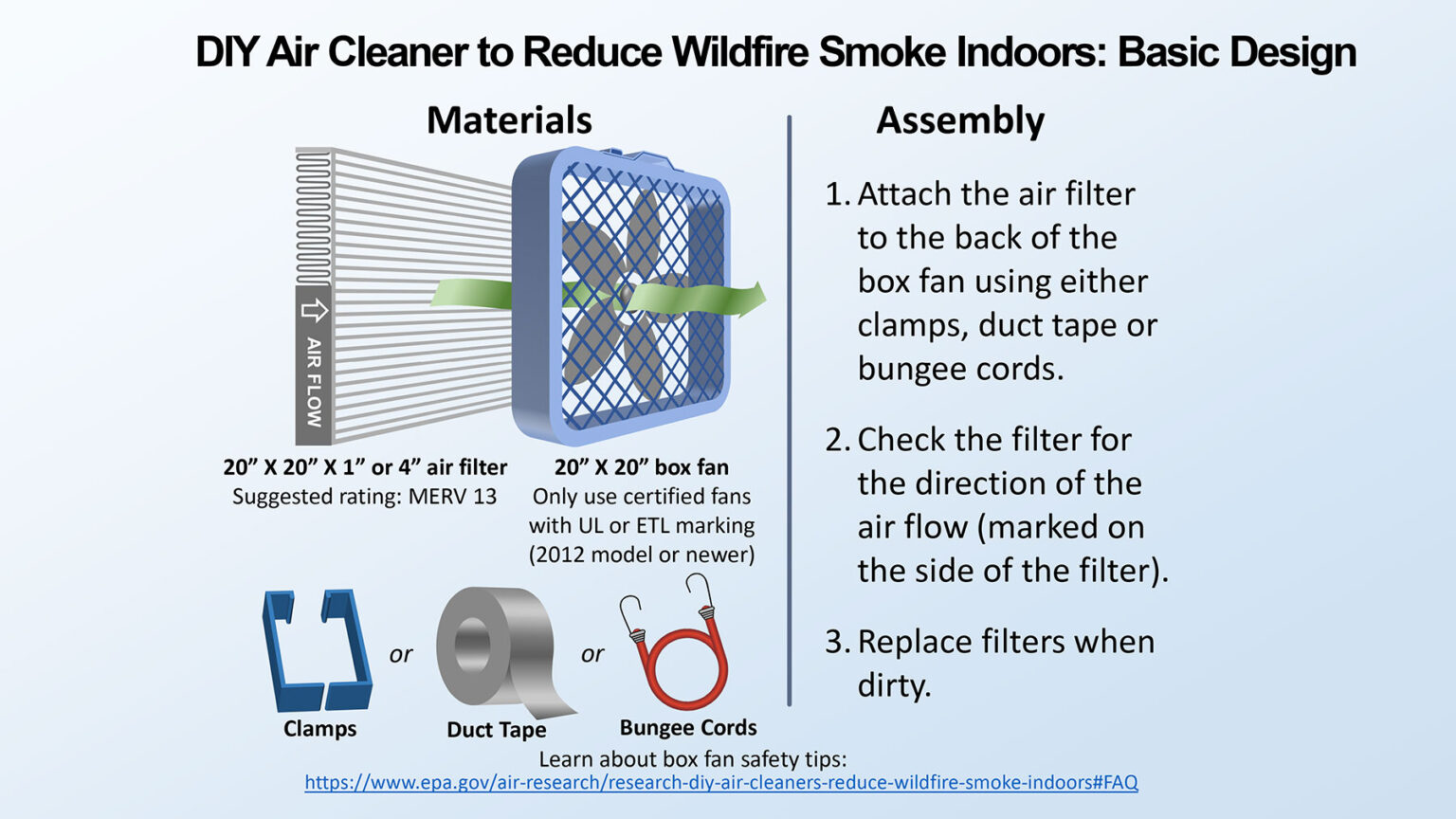
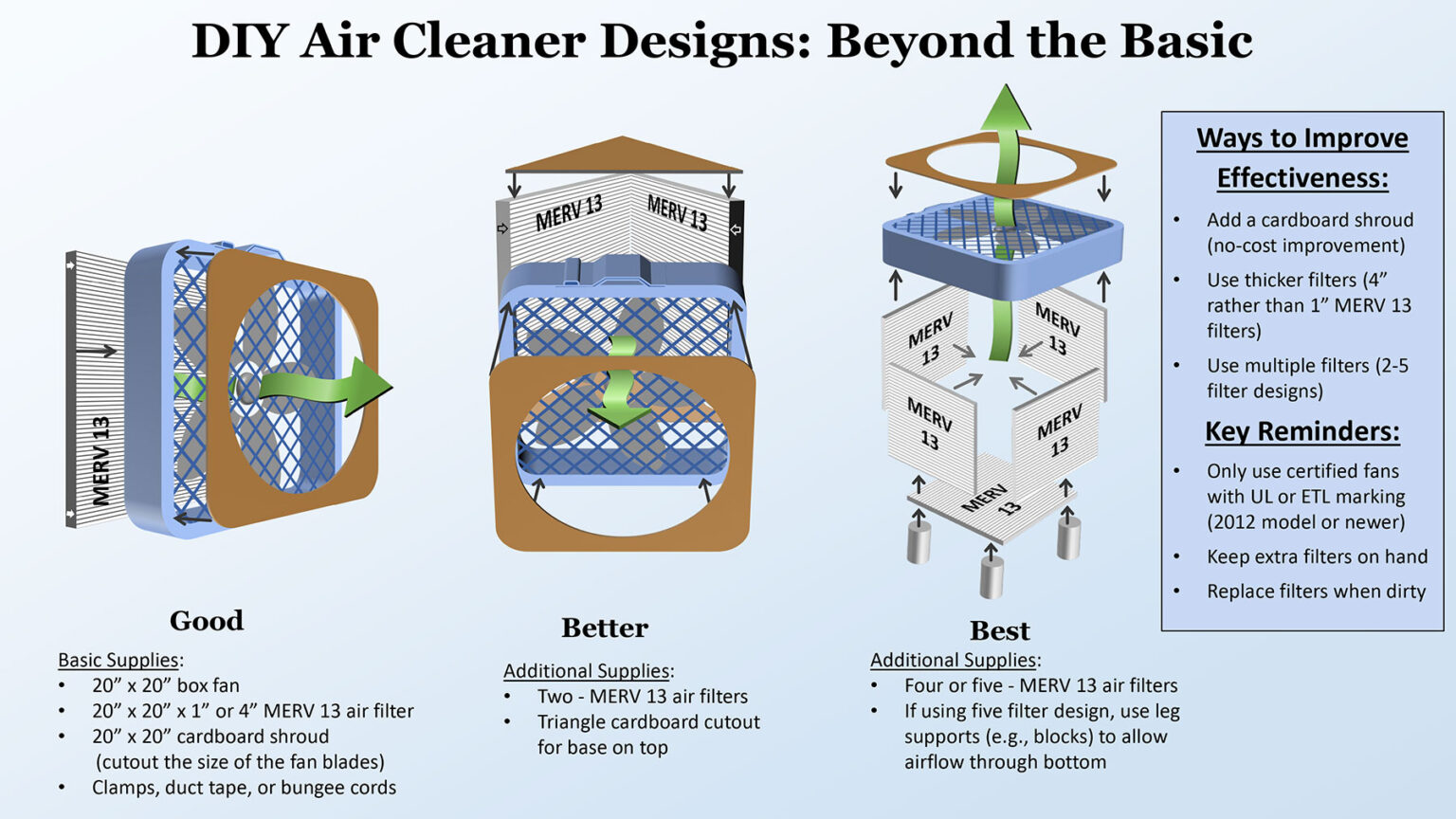
You can also create your own low-cost air purifier at home. A do-it-yourself (DIY) air purifier design costs less than $80 and is effective at cleaning indoor air. Most of the materials needed to construct one can be found in your house. You will need a box fan, 4 MERV 13 filters and some duct tape. To learn more about the varying levels of DIY air purifiers and the resources available to you, please visit our Ambient Monitoring Air Quality Resources tab.
Small changes in burning habits can lead to significant improvements in community health and air quality. Together, we can make conscious efforts to improve the air that we breathe not only in our own homes, but in our neighborhoods as well. Smoke that spills out of the woodstove can linger in the house for hours if not properly ventilated, and smoke released from chimneys can pool in neighborhoods on cold mornings and nights.
Winter’s wood burning brings many nostalgic sights, sounds and smells. The dancing light on walls from the flames, the low rumble of the fire with the occasional pop, and the smell of juniper, cedar, and piñon wafting from the wood pile. We hope this winter brings safe and warm feelings without woodsmoke pollutants disrupting your eyes, nose, and lungs.