

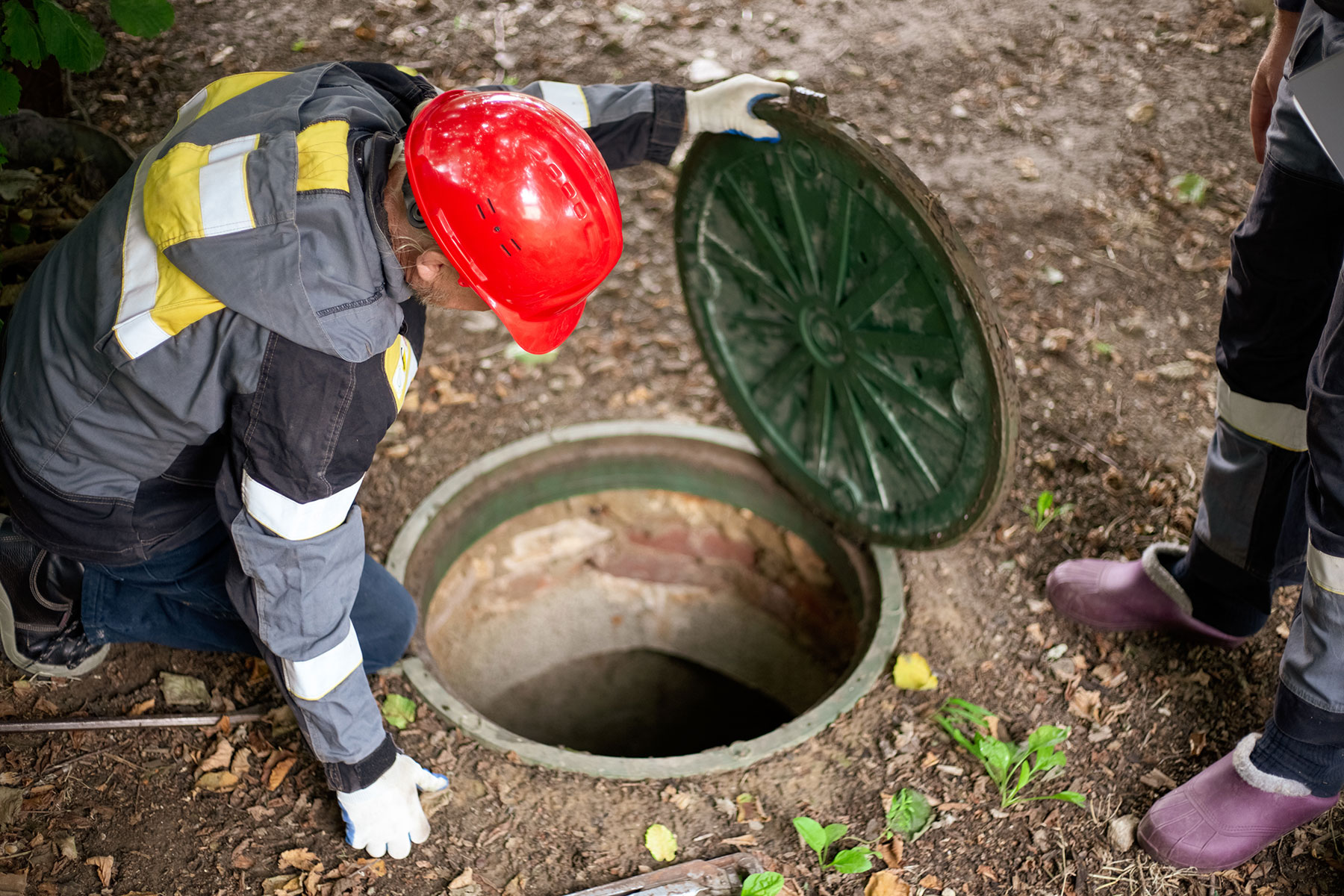
Recent flooding may have affected private wells and cisterns throughout the area. Floodwater can introduce contaminants that may make the water unsafe to drink. Boiling water will not remove all contaminants that may be present after a flood.
The Southern Ute Indian Tribe Construction Services Division and Water Quality and Remediation Division encourage residents with private systems that have been impacted by floodwaters to use bottled water or another safe source of drinking water until the equipment can be evaluated and tested.
Systems Most Likely to be Impacted:
- Shallow (AKA Gallery) Wells
- Cisterns
- Wells and Pumphouses Inundated by Floodwaters
Do Not Use Well Water for Drinking If:
- Floodwater reached or surrounded your well, cistern, or pumphouse.
- Your cistern lid, vents, access hatch, or overflow pipes were submerged.
- Standing water remains around the well, cistern, or pumphouse.
- The well cap, cistern cover, pump equipment, or water lines appear damaged.
- Sediment or discoloration is present in the tap water or cistern.
- Water pressure suddenly changes.
- You suspect your drinking water system may have been impacted by flooding.
Use Bottled Water or Another Safe Water Source For:
- Drinking
- Cooking
- Brushing teeth
- Making infant formula
- Washing dishes
- Washing fruits and vegetables
- Giving water to pets
Do Not Turn On a Flooded Well Pump
If your well pump was submerged or flooded, do not turn it on. There may be a risk of electrical shock or further damage to the pump system.
Have the wiring, pump, and well inspected by a qualified electrician, well contractor, or pump contractor before resuming use. Construction Services is available to assist Tribal Members with water supply system review and troubleshooting as needed.
Cistern and Pumphouse Safety
Floodwater can enter cisterns through vents, access hatches, damaged lids, overflow pipes, or other openings. Residents whose cisterns or pumphouses were flooded or exposed to floodwater should assume the water supply may be contaminated until the system can be inspected, cleaned, disinfected, and tested.
If floodwater entered a pumphouse:
- Do not energize electrical equipment that has been submerged.
- Have pumps, pressure tanks, controls, and wiring inspected by a qualified professional before restarting the system.
- Inspect the structure for flood damage, debris, and sediment accumulation.
- Clean and disinfect equipment as appropriate before returning it to service.
Septic System Safety
Residents with septic systems that have been flooded or remain underwater should avoid using the system whenever possible and should not add additional wastewater until the drain field has had adequate time to dry.
Using a flooded septic system can contribute to contamination of nearby surface water, groundwater, and private drinking water wells.
Public Water System Customers
Residents who receive a monthly water bill from a public water provider are connected to a regulated public water system and are not served by a private well. If you have questions about the safety of your drinking water, please contact your water provider directly.
Services available to Southern Ute tribal members:
Construction Services:
- Well & Cistern Disinfection (AKA Shocking)
- Equipment Inspection
- Septic System inspection and troubleshooting
Water Quality Services:
- E. coli & Total Coliform testing (typical 1-week turnaround)
- Basic Water Chemistry Analysis (2 to 3-week turnaround)
Please note that Tribal staff are prioritizing assistance for residents whose drinking water systems have been directly impacted by flooding. Turnaround times may vary. Residents are encouraged to shock their system prior to bacteria testing if possible.
For questions regarding wells, cisterns, pumphouses, or septic systems affected by flooding, please contact:
Gavin Martinez, Housing Department Director
Phone: 970-563-2723, Email: gmartinez@southernute-nsn.gov
Danny Abeyta, Construction Services Division Head
Phone: 970-553-9268, Email: dabeyta@southernute-nsn.gov
For questions regarding water quality testing, please contact:
James Evangelisti, Water Quality Scientist II
Phone: 970-563-2222, Email: jevangelisti@southernute-nsn.gov
Katie Cranfill, Water Quality Program Manager
Phone: 970-563-2805, Email: kcranfill@southernute-nsn.gov