
Willette
“People judge addiction because they don’t understand it. We need to learn how to talk about addiction openly, instead of treating it like a taboo”
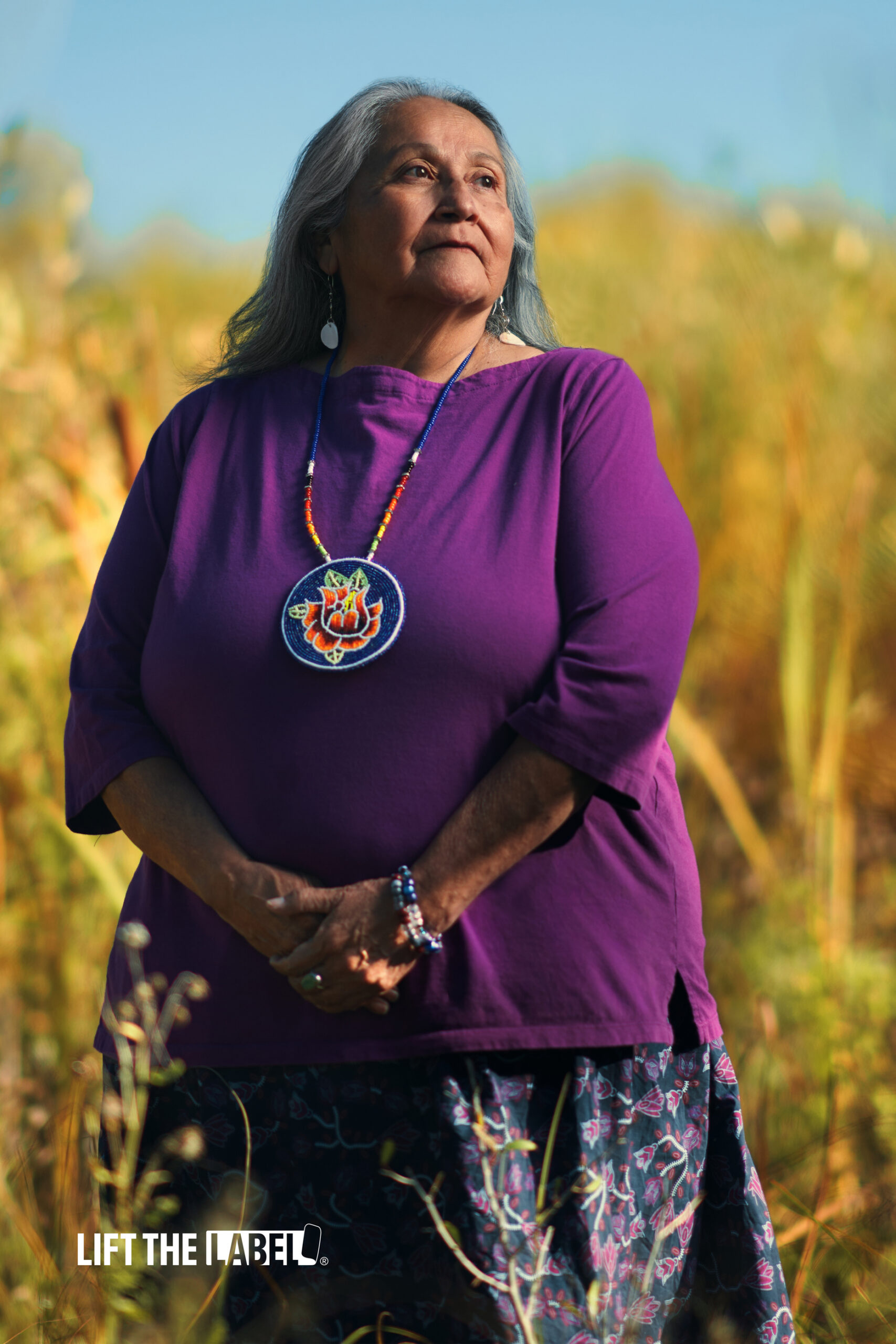
My name is Willette Whiteskunk, and I am a proud Southern Ute woman. These days, I’m retired and appreciating the quiet peace I have in my life. It wasn’t always like this, though.
I started drinking young, around 15. Back then, it felt like a way to belong, to cope. I carried a lot of hurt; growing up with a father who had a substance use disorder, losing my mother early, and hearing too often that I wasn’t good enough. I married young, got sober for a while, but when the marriage turned abusive, I relapsed. That’s when the depression set in deep. I got into trouble, ended up locked up, and it forced me to take a hard look at my life.
When I came home, I told myself; this is enough. I threw the bottles away, literally tossed them in the trash, and said, “No more.” That was about 13 years ago, and I’ve been sober since. It feels like freedom. My mind is clearer, my spirit lighter and most importantly, I’m showing my children and grandchildren a better way.
It wasn’t easy. I faced stigma; mostly from within myself. Guilt, shame, and the feeling that I’d failed myself. But I learned that healing starts with trust and awareness. I relied on my faith, my family, and my culture. I’ve found strength in our traditional medicines, in smudging, in speaking my language, and in the ceremonies my father once led as a Sun Dancer. My culture brought me back to myself, to Creator, to balance, to purpose.
Addiction doesn’t just touch one person; it affects everyone. That’s why I talk about it openly now. I believe the more we speak, the more we heal. My message to others is simple: talk to Creator, follow your culture, and never stop believing in yourself. Healing is possible. I’m living proof.