

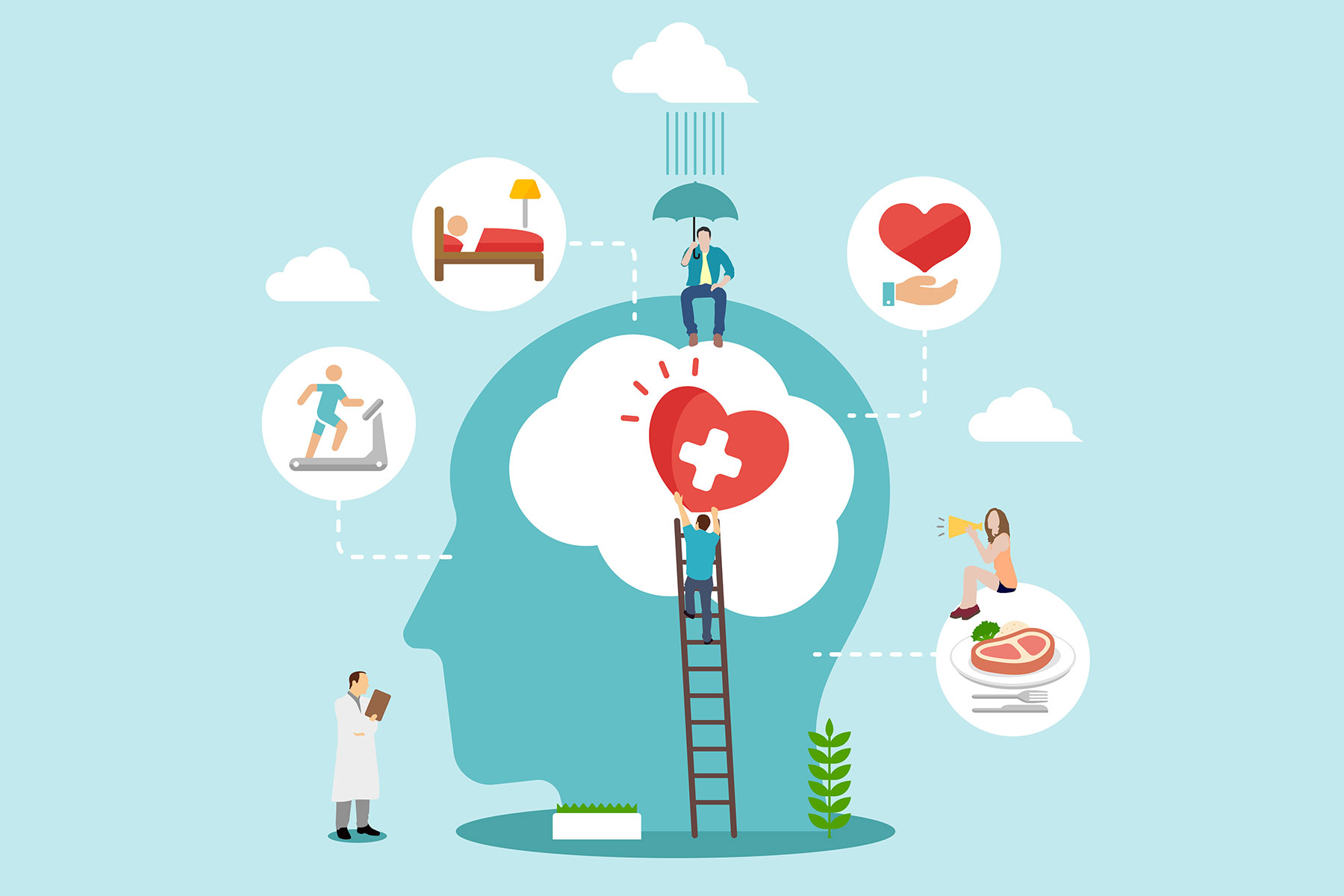
Let’s talk about breaking some stigma. Specifically breaking stigma surrounding therapy. Now I know some people talk about therapy like they’re committing a crime. They look around and whisper quickly like they’ve just started a toxic rumor in high school. Being able to talk about therapy openly shouldn’t feel daunted. Struggling is a part of human nature. We normalize having a primary care provider and seeing them on a regular basis. Why don’t we normalize seeing a therapist?
Public stigma is just a fancy term for when society decides to judge you for having a glitching brain. It is the negative, side-eye energy and discriminatory attitudes people throw your way when you admit you are struggling.
Here is the problem: that judgment creates massive barriers. It actively worsens the mental health challenges people are already trying to survive. It turns a standard health issue into a secret shame.
But we can actively block public stigma from forming by changing our default setting.
We can swap the judgement for openness.
Lead with genuine empathy.
And normalize that we all struggle.
I think the biggest stigma surrounding therapy is our own self stigma. The pressure, blame, shame, and judgement we put on ourselves. Sometimes we are our own biggest critic. We may not want to be seen as weak. Or we may be afraid of judgment from others. When we normalize talking about therapy with each other, seeking help won’t seem so foreign or terrifying.
We also set an example for our youth. Normalizing help-seeking behavior encourages people to reach out before they hit a breaking point. We don’t expect our phones to run twenty apps simultaneously, stream Netflix, and stay on 100% battery life forever. So, we shouldn’t expect our human brains to handle increasing gas prices, career pressure, relationship pressures, and a terrible sleep schedule and expect caffeine to help without occasionally glitching and eye twitching.
So, what can we do to normalize brain care?
Well, you can treat your brain like a very expensive car. If your car started making weird, horrific, noises, you wouldn’t just tell it “Be normal car. You’re fine, everything is fine” And keep driving, hoping for the best. No, you would take it to the mechanic. Your brain is similar. It’s the most complex organ in your body. When you start to feel anxiety or depression or feel like you’re facing a mental health challenge, seeking professional maintenance isn’t a sign of weakness. You aren’t “broken” just think of it like your check engine light is flashing. It’s okay to give yourself a break.
Just as physical injuries require a doctor’s care, mental struggles require proper support. When you speak openly about your healing journey, you aren’t just revealing your past. It’s handing someone else the ultimate permission slip to finally get help; you are building a bridge for someone else to step into their future.
Here’s to your good health!
It’s okay not to feel okay.
If you or someone you know has been struggling with their emotions, behaviors, or substance use, please reach out to us. We can help you find appropriate tools and services that could help you overcome obstacles in your life. We are here for you. Please contact the Southern Ute Behavioral Health Division at 970-563-5700 for more information or to set up an appointment to see a counselor or therapist.
Reminder: If you need to talk to someone, please reach out.
And for those interested in opioid use education, harm reduction, and support, please contact us for quick Naloxone (Narcan) training and fentanyl test strips. We can schedule individual, family, or friends training times at our Southern Ute Behavioral Health Building, or we can come to you, and the training is around 30 minutes. Please call us at 970-563-5700 to set up a training appointment.