


February is Black history month. March is Women’s history month. Every month celebrates various heritage and religions in some form or fashion. I was once asked what is the importance of Native American history month? The way I answer this now is by saying that Native American history month is an opportunity for Native people to tell their own story.
When my generation went to school, it was 8 a.m. – 3 p.m. Monday through Friday. School was a place to learn and to do extracurricular activities. There were so many sports to play, plenty of clubs to participate in, and after hours offered on-premises tutoring.
Today, mainly because of limited funding, we see a rolled back academic schedule. Some schools take Friday off or have flex hours. Many sports have been eliminated or reduced in scope. The amount of time in the classroom has diminished and so teachers are forced to choose priority topics to cover within each class and grade level. Even when teaching History, many of the things that should be covered simply aren’t.
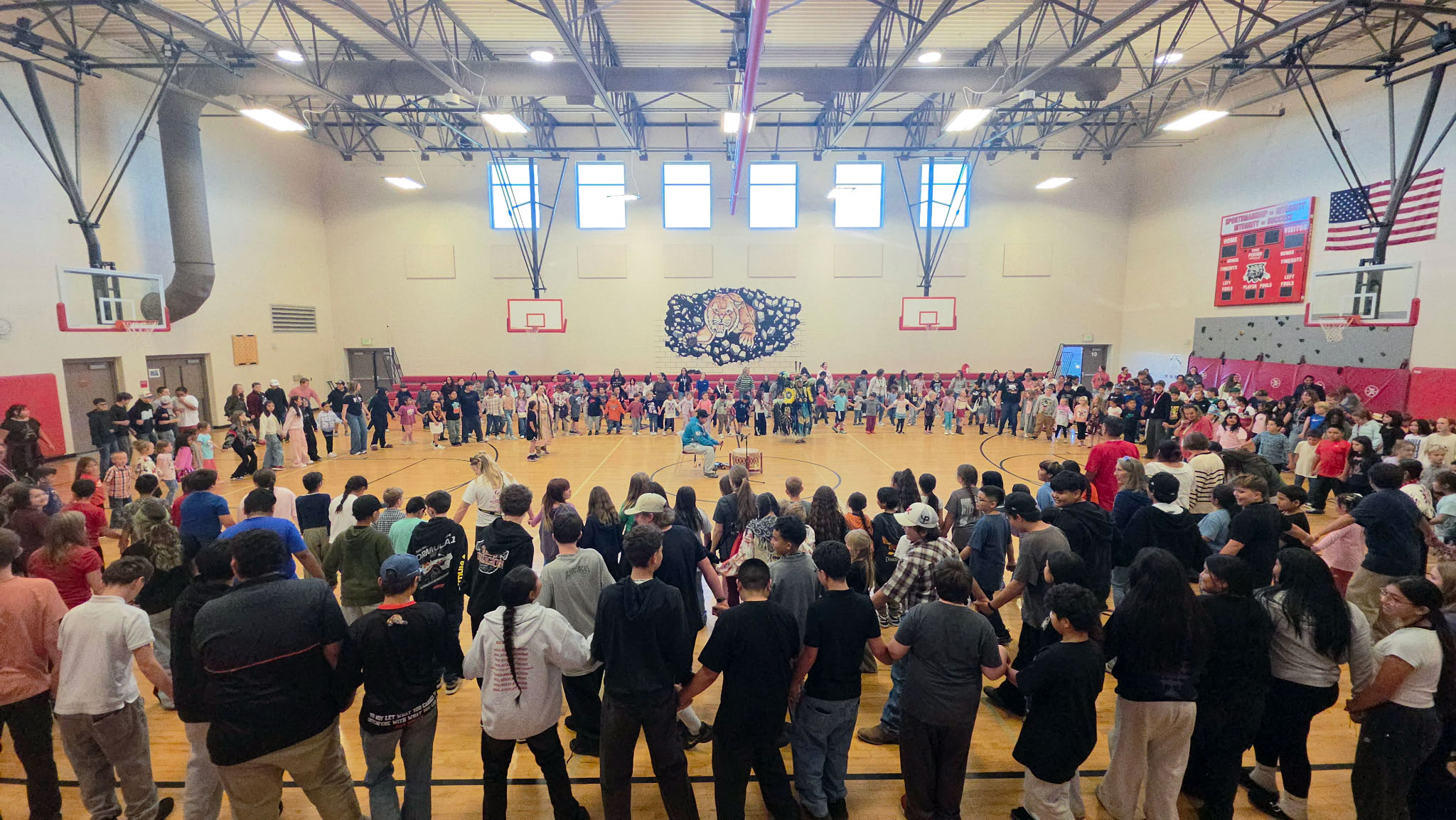
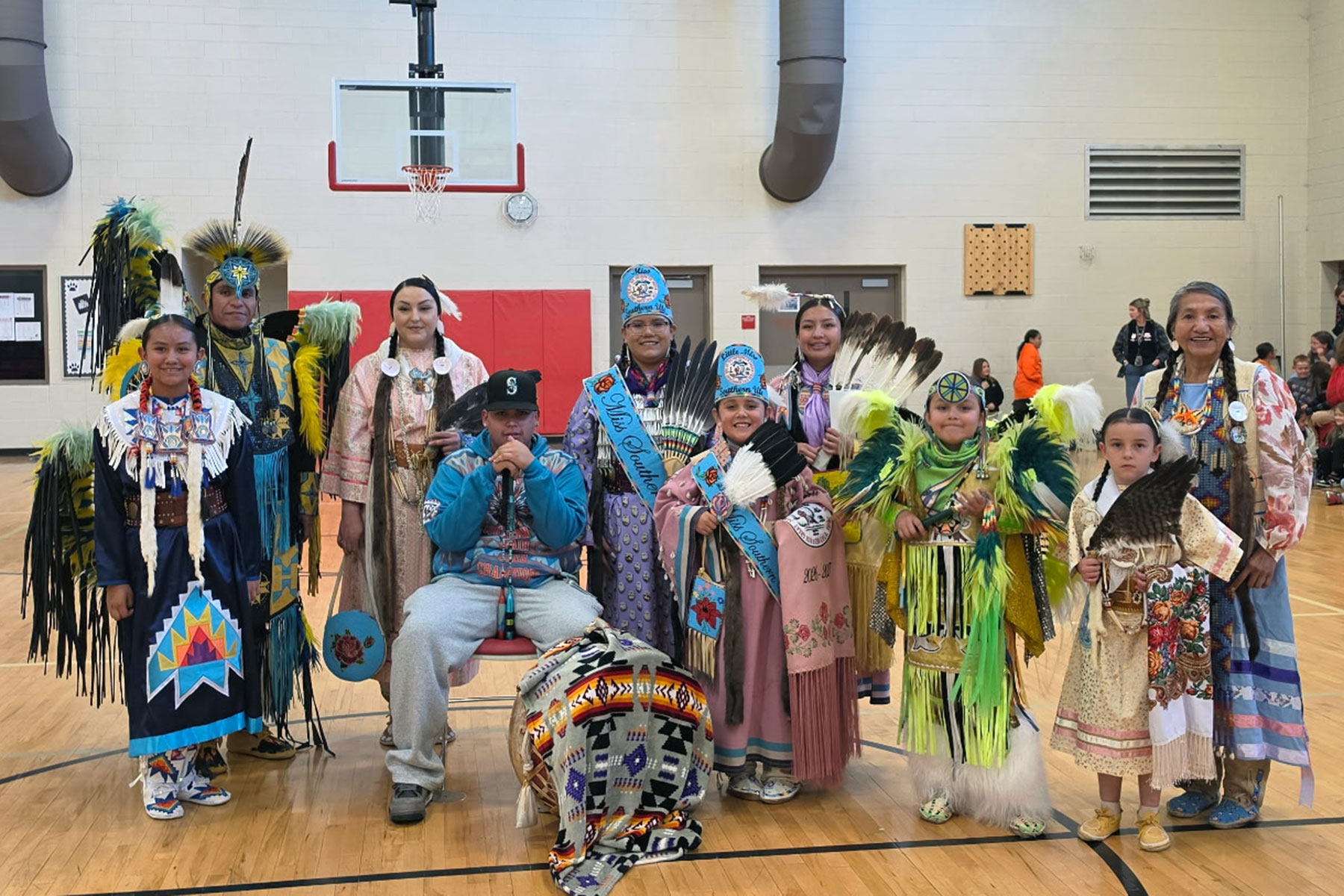
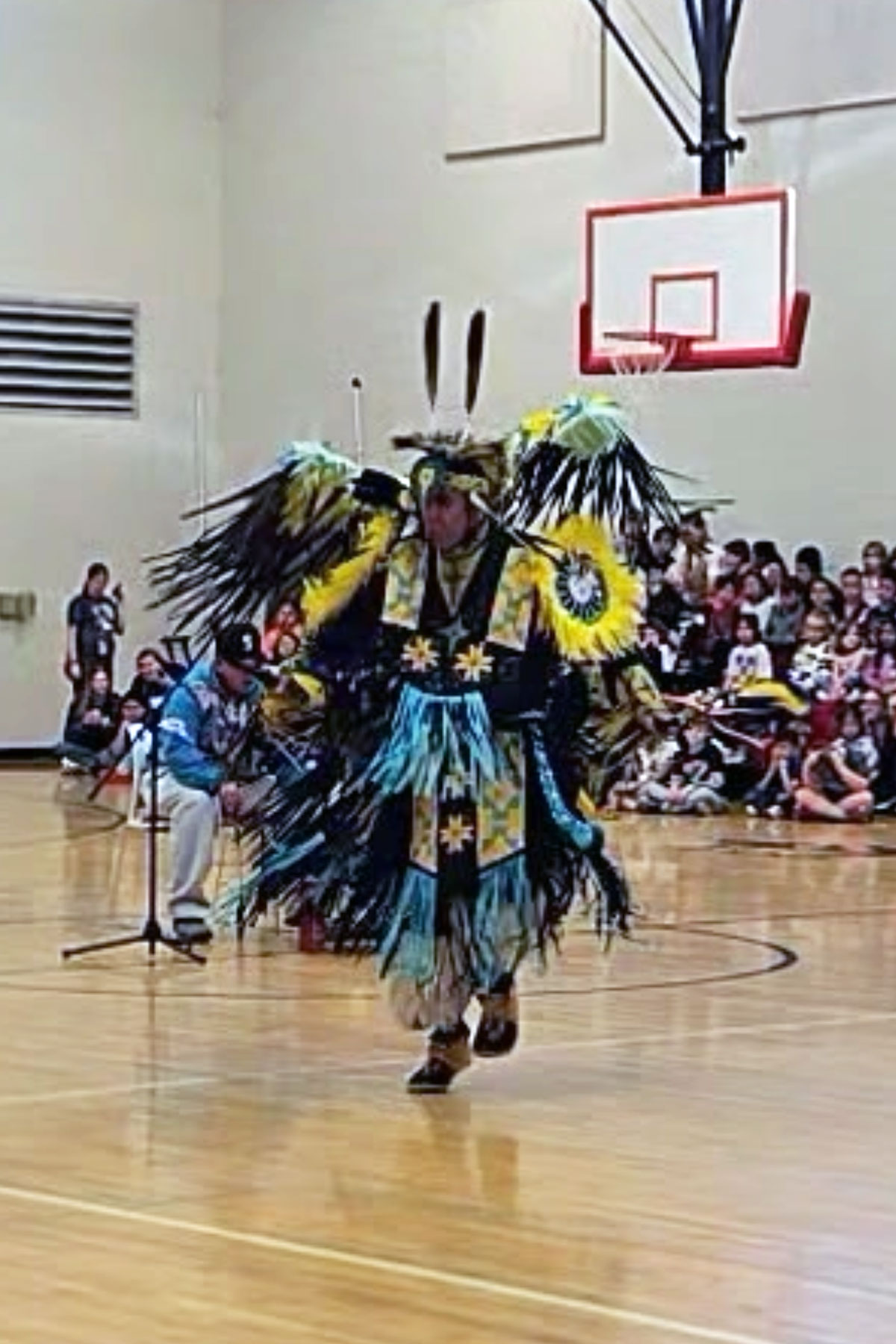
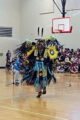
The exposure to Native American history is now more limited than ever. To deeply dive into it, a person usually has to take it as an elective at an older age. Story telling is a corner stone to how we live and how we practice cultural activities. Demonstrations are also needed to provide visualization to our ways of dance and how we express ourselves. Our Southern Ute Heritage Dancers are usually invited to dance for schools within Bayfield and Ignacio every year.
Each year we have the opportunity to help educate the public and to help encourage our youth to take on powwow dancing. My hats off to those keeping this going and to help educate the public on Native ways.